
Recently, Taybo, in collaboration with a renowned semiconductor company in Shanghai, completed a liquid cooling retrofitting project for high-density computing equipment targeting a global top-tier service provider — successfully achieving a smooth upgrade from the original air-cooled server room to a liquid cooling architecture, while seamlessly accommodating the operational requirements of high-power equipment.
This is not just a routine technical upgrade, but a representative case of:
Legacy Data Center, New Computing Power: A Model Integration Upgrade Why must we transition from air cooling to liquid cooling?
Why must we transition from air cooling to liquid cooling? We have found in actual projects that: Air cooling limit ≈ 10 kW/rack High-density equipment 50 kW+ High energy consumption, difficult to optimize PUE Severe local hotspots, increased stability risks Without switching to liquid cooling, high-performance devices simply cannot run at all Typical Scenario: How to Accommodate High-Power Equipment?
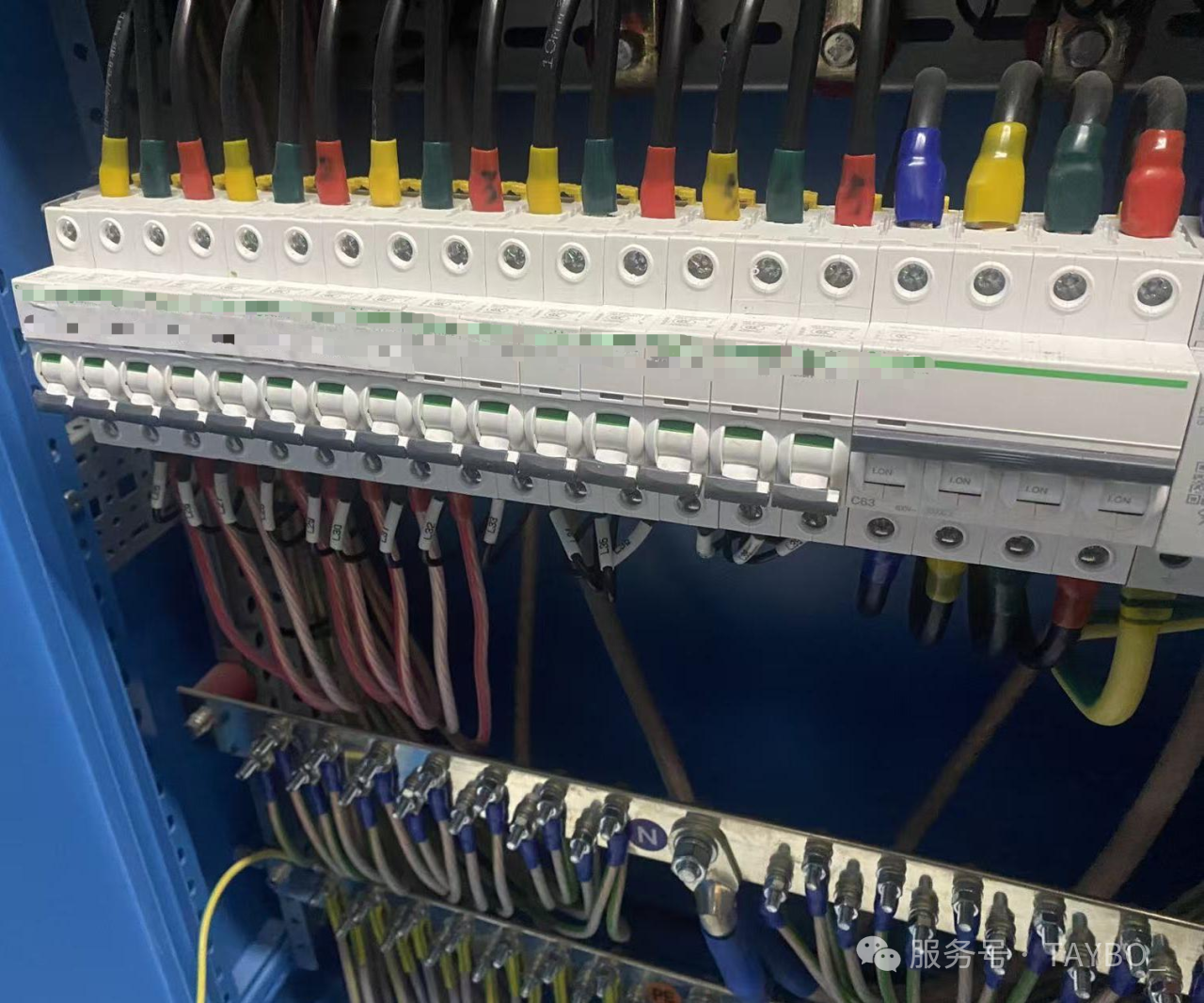
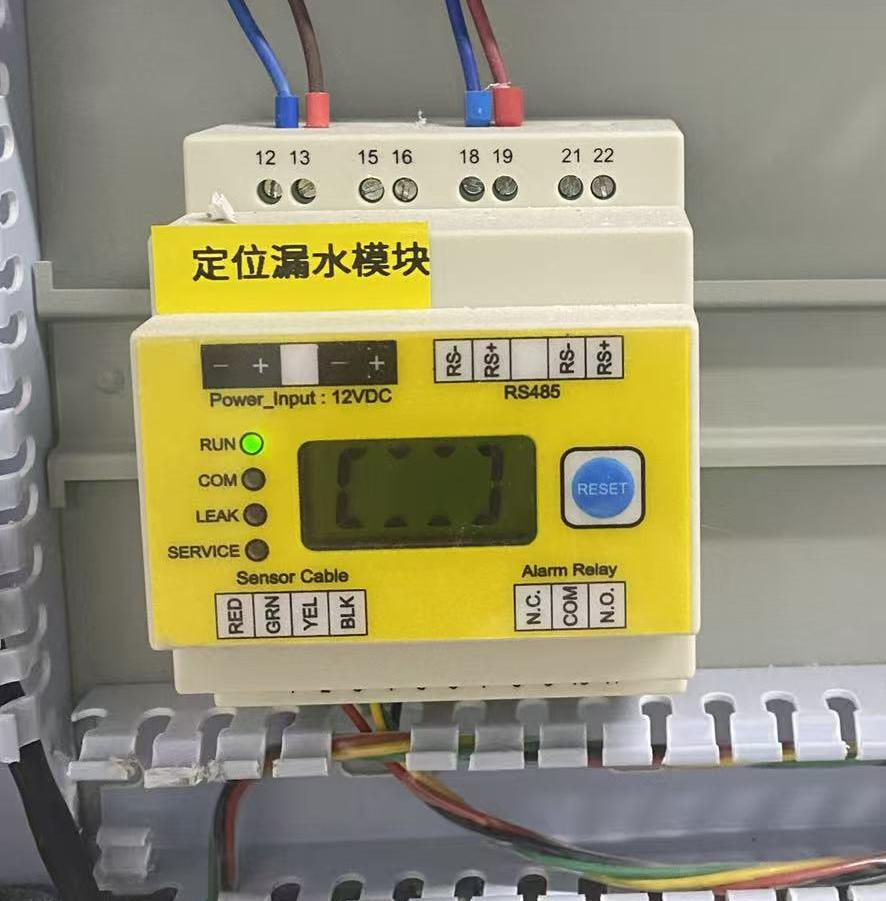
In a typical air-to-liquid cooling upgrade project for a semiconductor client, we delivered a successful transformation. Project Features Original server room: Traditional air-cooling architecture Newly added equipment: Palladium Z3 (liquid-cooled high-density device) X3 (high-power air-cooled device) Retrofit objectives: Core solution: hybrid architecture combining air cooling and liquid cooling Air-cooling system: maximize reuse of existing infrastructure Retain the original cold aisle Add 4 EC variable air volume underfloor fans Airflow per fan: 3,000 m³/h Cooling capacity per fan: 12 kW Adapt to air-cooled devices such as X3 Liquid cooling system: customized for Z3 The core issue with Palladium Z3 is: The cooling demand per rack is as high as 42.3 kW+ Our solution: CDU (Coolant Distribution Unit) + chilled water system Primary side: connected to the facility chilled water supply Secondary side: connected to the server liquid cooling loop Cooling medium: propylene glycol (PG25) Key Parameters: Supply water temperature: 22℃ Return water temperature: 29℃ Flow rate: 45–54 LPM CDU power: 1.1 kW Achieve coordinated cooling with liquid cooling and air cooling. Hybrid cooling strategy The Z3 is not “fully liquid-cooled”; rather: Air cooling handles part of the thermal load Liquid cooling handles the core thermal load Advantages: Reduce retrofit costs Improve system redundancy Easier to implement Not just cooling: power & safety are equally critical High-power power supply design X3: 37 kW Total power: 87.1 kW Retrofit scope: Customer’s top concern: liquid cooling safety design We focused on implementing three layers of safeguards: Water collection tray design Leak detection cable Integrated into the DCIM/environmental monitoring system Achieving: monitoring, early warning, and control capabilities. What we have solved is more than just a single project The significance of this case lies in: Egacy server rooms New equipment (e.g., Palladium Z3) High-density computing demands The compatibility challenge among the three has been thoroughly resolved One-stop capabilities Energy consumption diagnosis Solution design Engineering implementation (EPC) Core Advantages Data center hands-on experience Integrated HVAC, electrical, and energy team EMC support (Energy Management Contracting) Green and low-carbon Reduce PUE Improve energy efficiency Support the “dual carbon” goals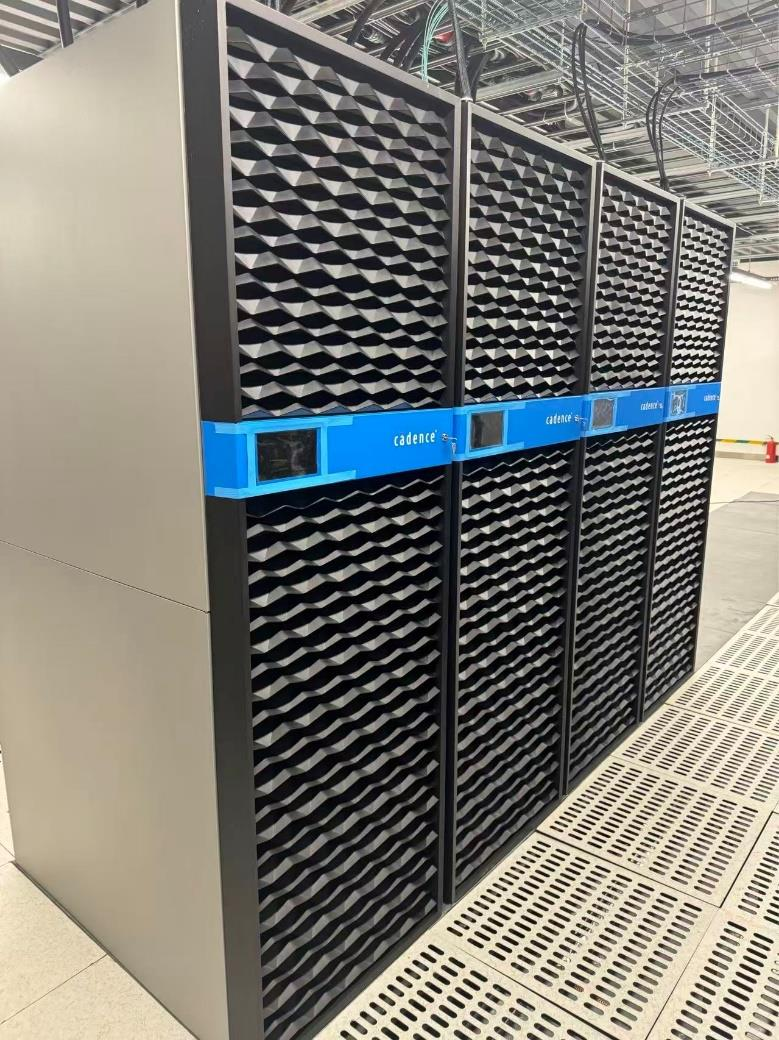
Achieve a smooth upgrade without demolishing and rebuilding.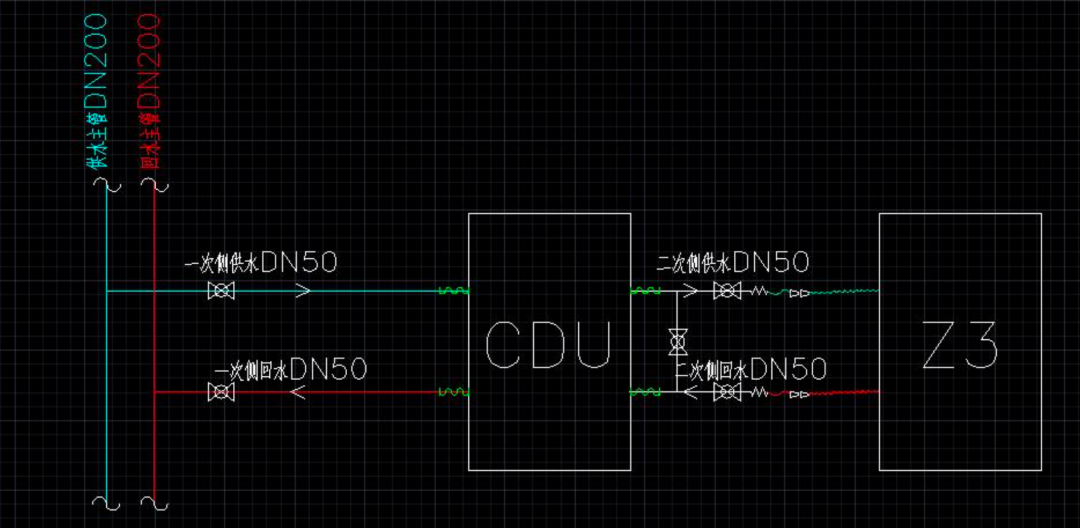
we can offer...

