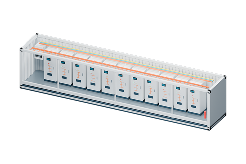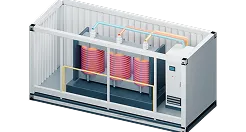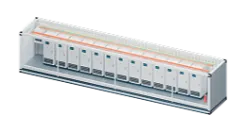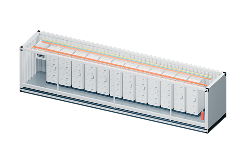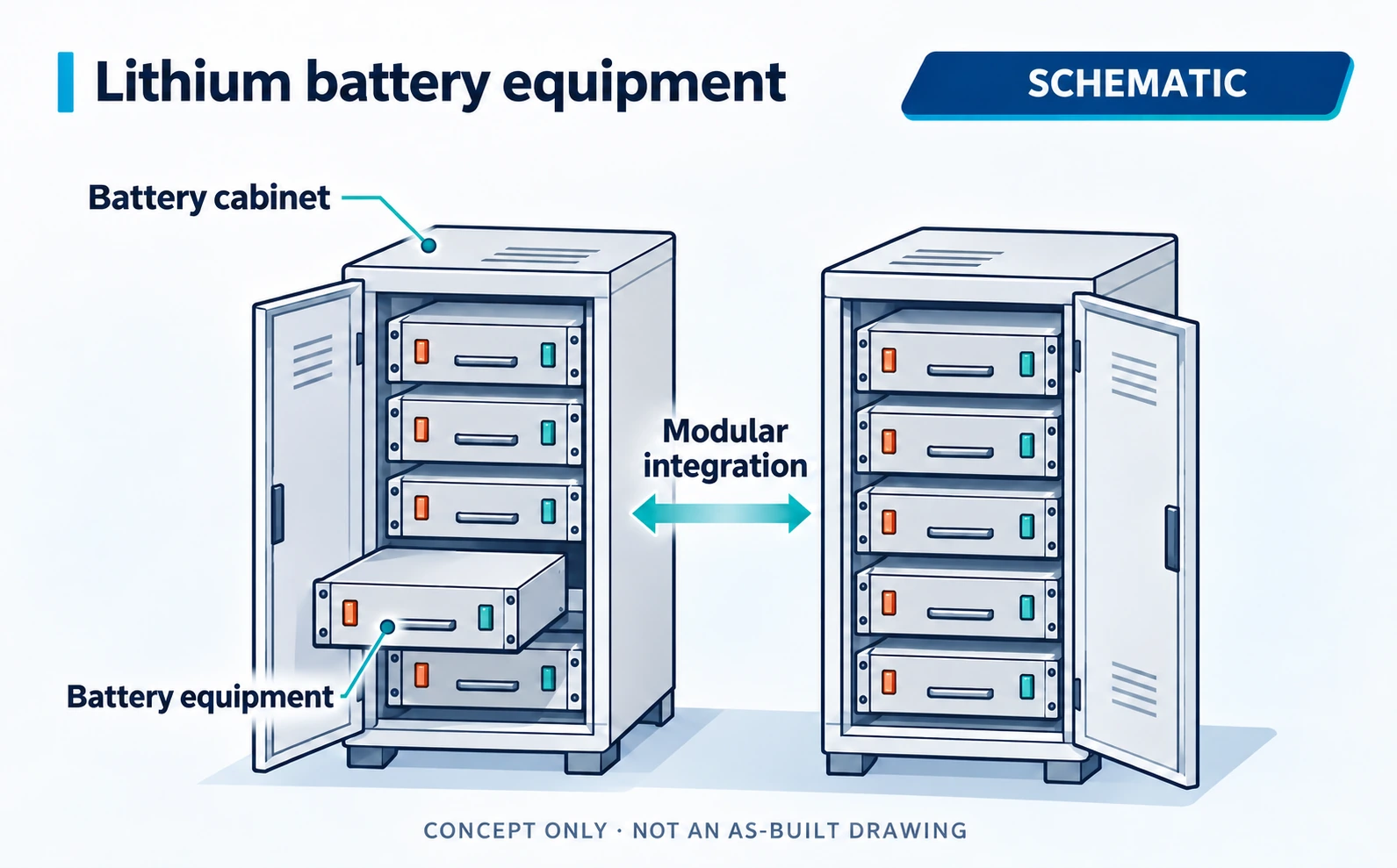
Lithium battery equipment
Integrates selected battery cabinets or battery equipment per project requirements.
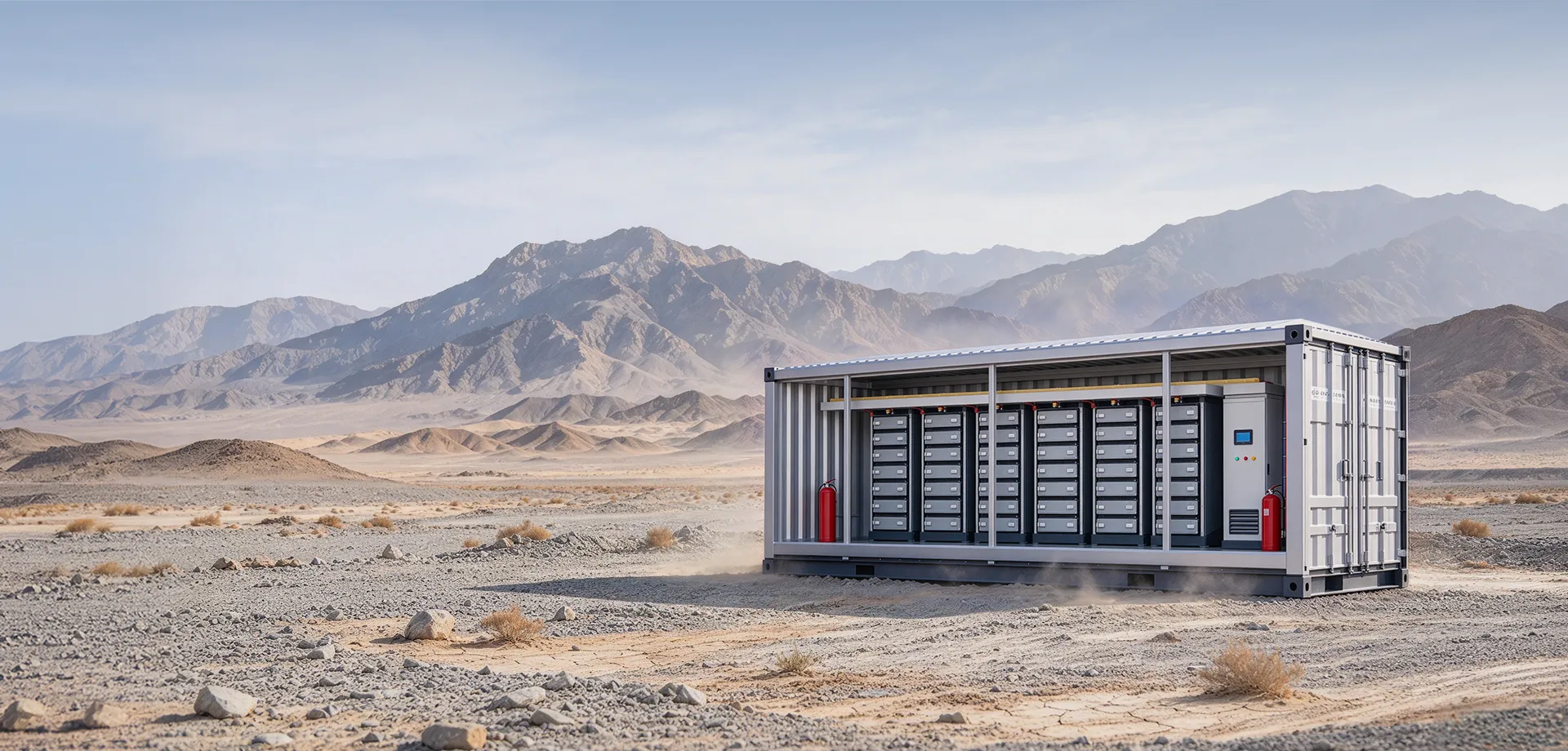
Unified planning of battery layout, DC connections, operating environment, and maintenance boundaries
The Lithium Battery Module addresses backup power for data center critical loads by integrating selected lithium battery equipment, battery management interfaces, DC connections, auxiliary power, and related environmental and safety systems in a standalone module. Design follows power-system architecture, backup duration, equipment configuration, and space conditions. The module focuses on centralized battery layout, system connections, operating environment, and maintenance boundaries, and can work with UPS and related distribution systems to form a data center backup power path.
Integrates selected battery cabinets or battery equipment per project requirements.
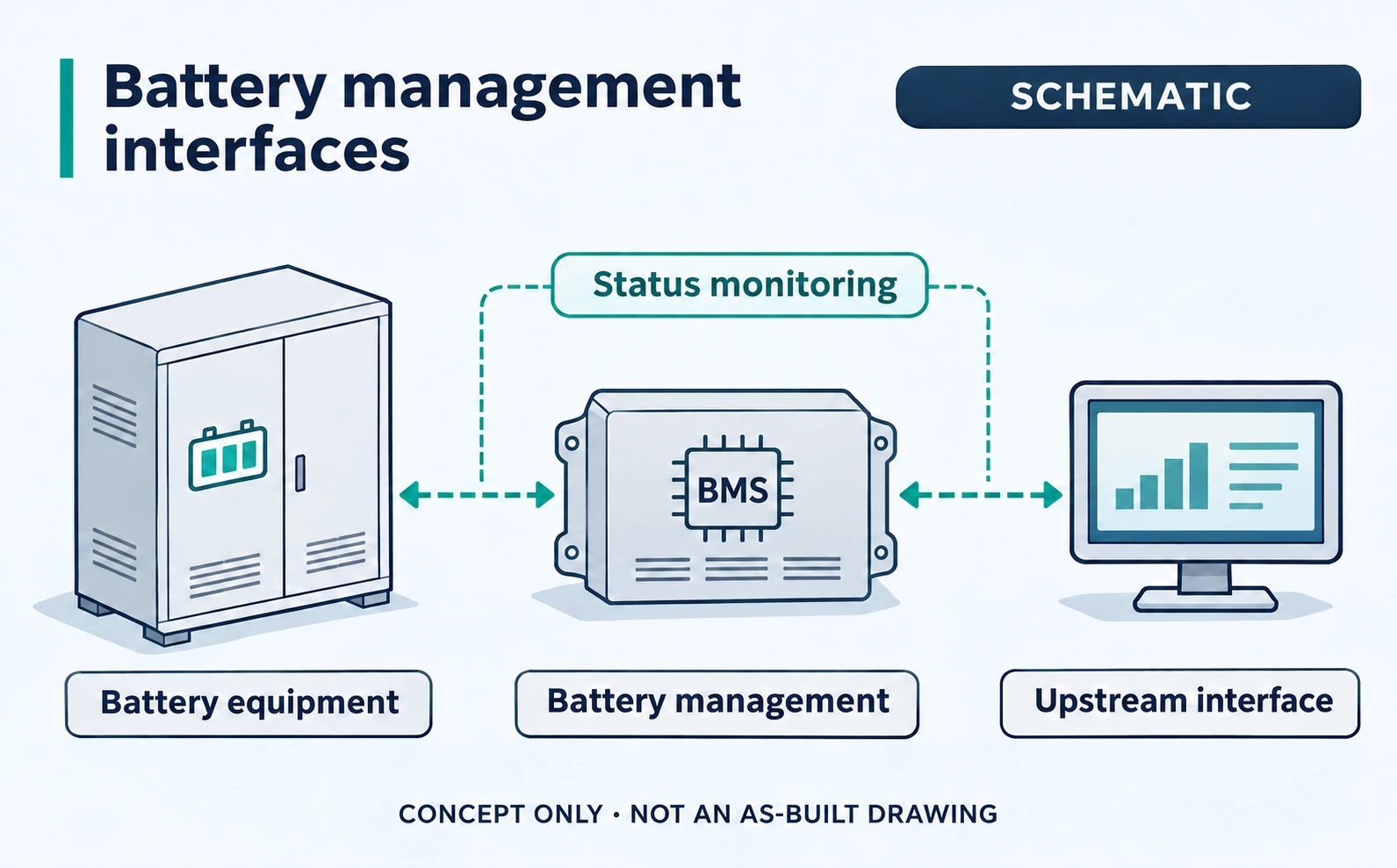
Battery management, status monitoring, and communication interfaces to upstream systems.
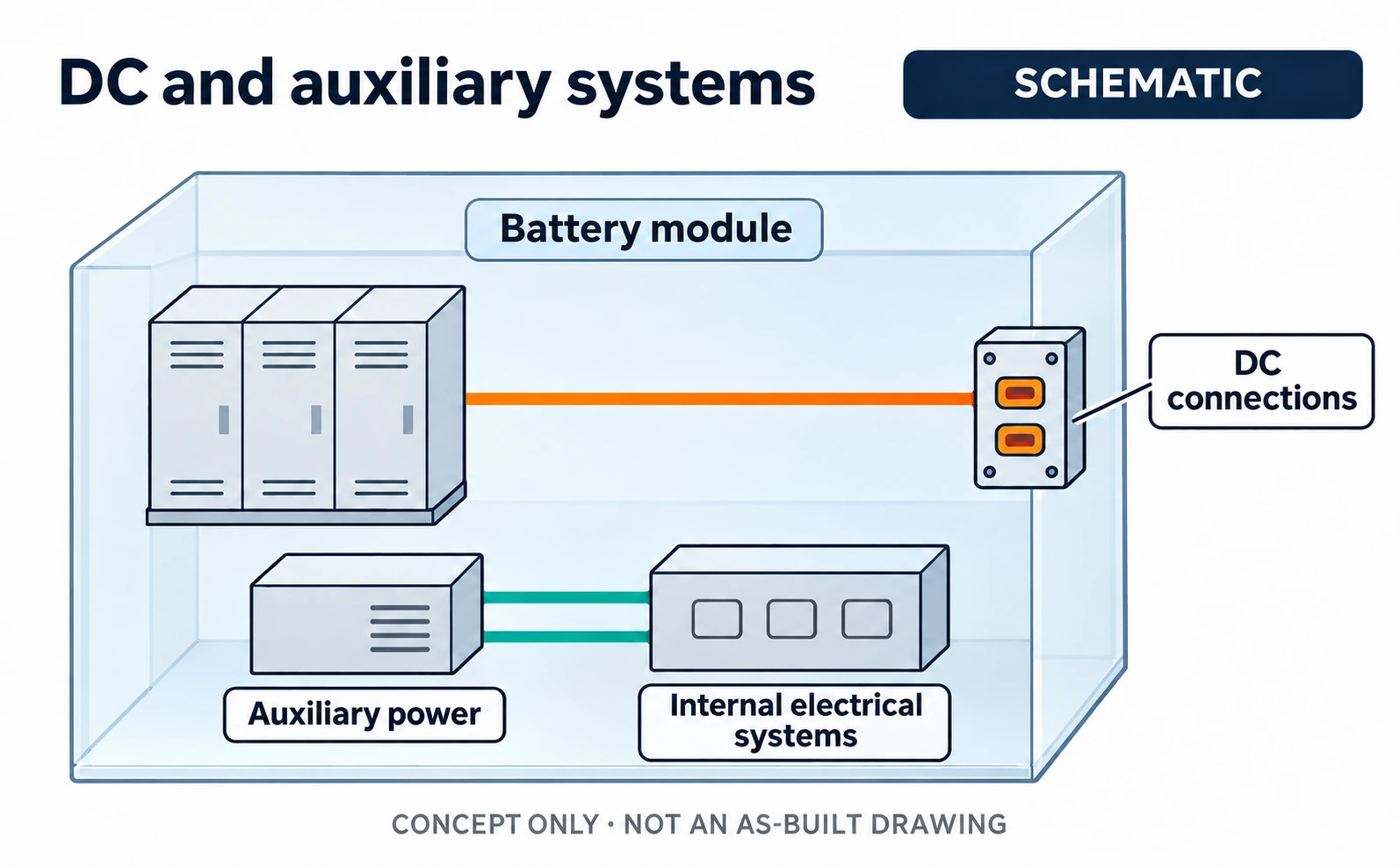
Coordinates DC connections, auxiliary power, and related electrical systems inside the module.
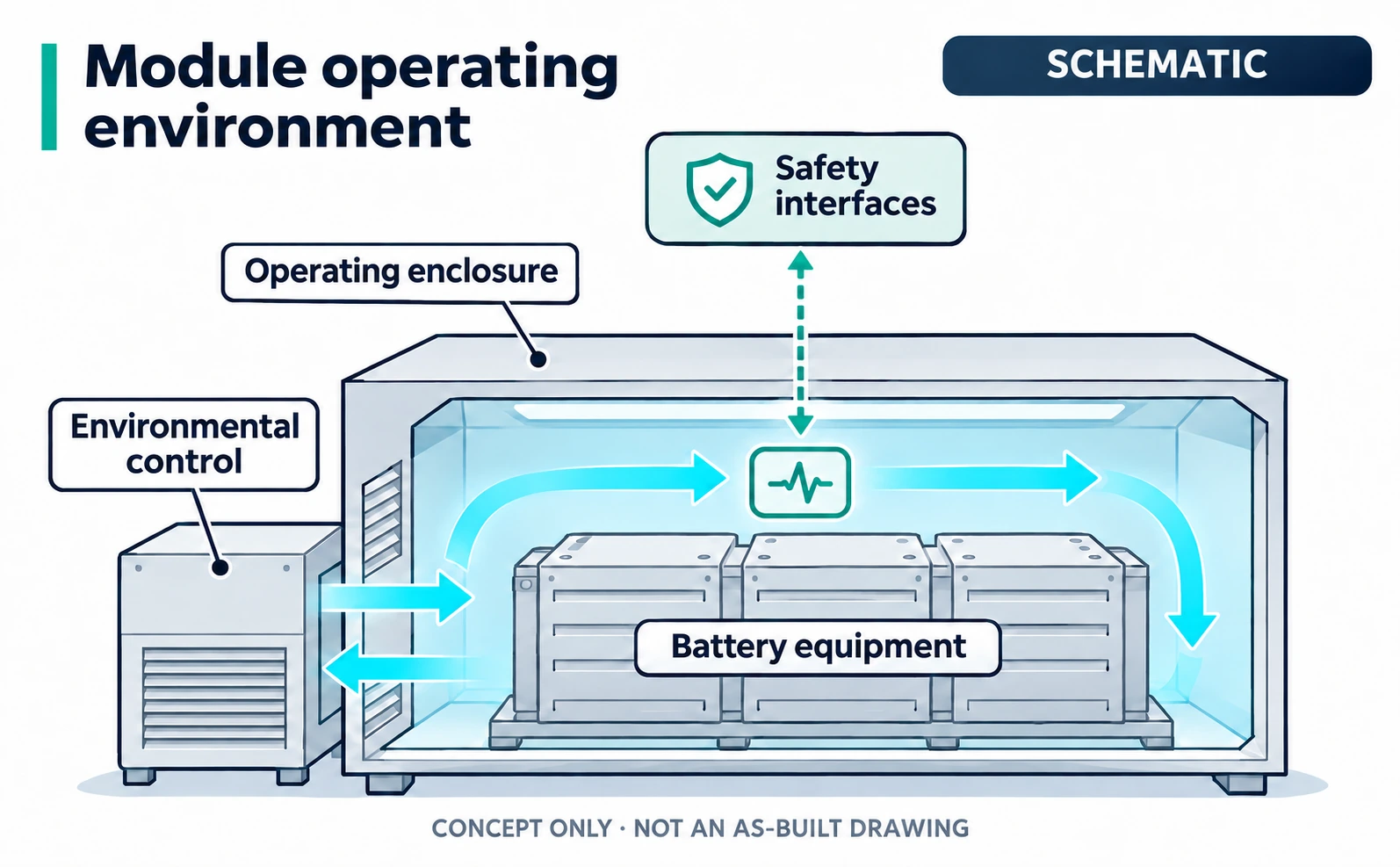
Configures environmental controls and safety interfaces required for module operation per project requirements.


Unify energy storage equipment, connection systems, and operating environment in the module design

Reduce scattered on-site installation, wiring, and multi-system coordination
Define clear interface boundaries between the storage unit, UPS, and distribution systems

Modular form eases transport, deployment, expansion, and later maintenance